
If you run a gift, home, or wellness store, 2026 is a good year to be in this category. Home fragrance and wellness goods have moved firmly out of the "nice extra" corner of retail and into a core spending habit — and in Canada especially, the home fragrance market is now one of the fastest-growing in the world, propelled by long indoor seasons, wellness routines, and shoppers treating their homes as sanctuaries. The question for retailers is no longer whether to stock this category, but what within it will actually move.
Here are the five wellness retail trends defining 2026 — and what each one means for your shelves.
1. Functional fragrance: customers are buying a feeling, not a scent
The single biggest shift in the category is that shoppers no longer walk in looking for "vanilla" or "lavender" — they're looking for calm, focus, or comfort. Fragrance purchasing has become emotion-led, tied to daily rituals like winding down in the evening, meditating in the morning, or resetting a work-from-home space.
What to stock: Products that name the feeling, not just the ingredient. An "Unwind" candle outsells a "Lavender" candle even when they're the same wax. Group your fragrance shelf by mood — grounding, energizing, calming — rather than by scent family, and watch how differently customers browse it.
2. Natural waxes and clean labels have gone from niche to expected
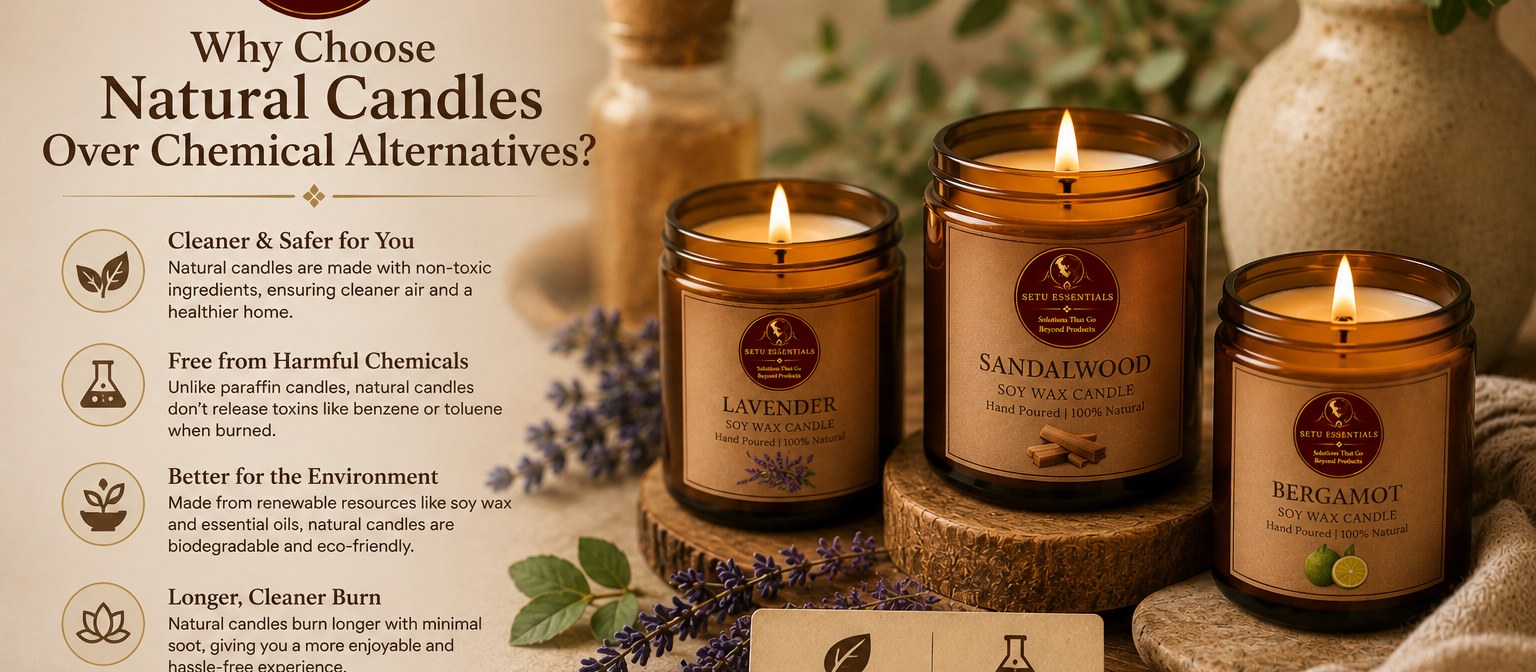
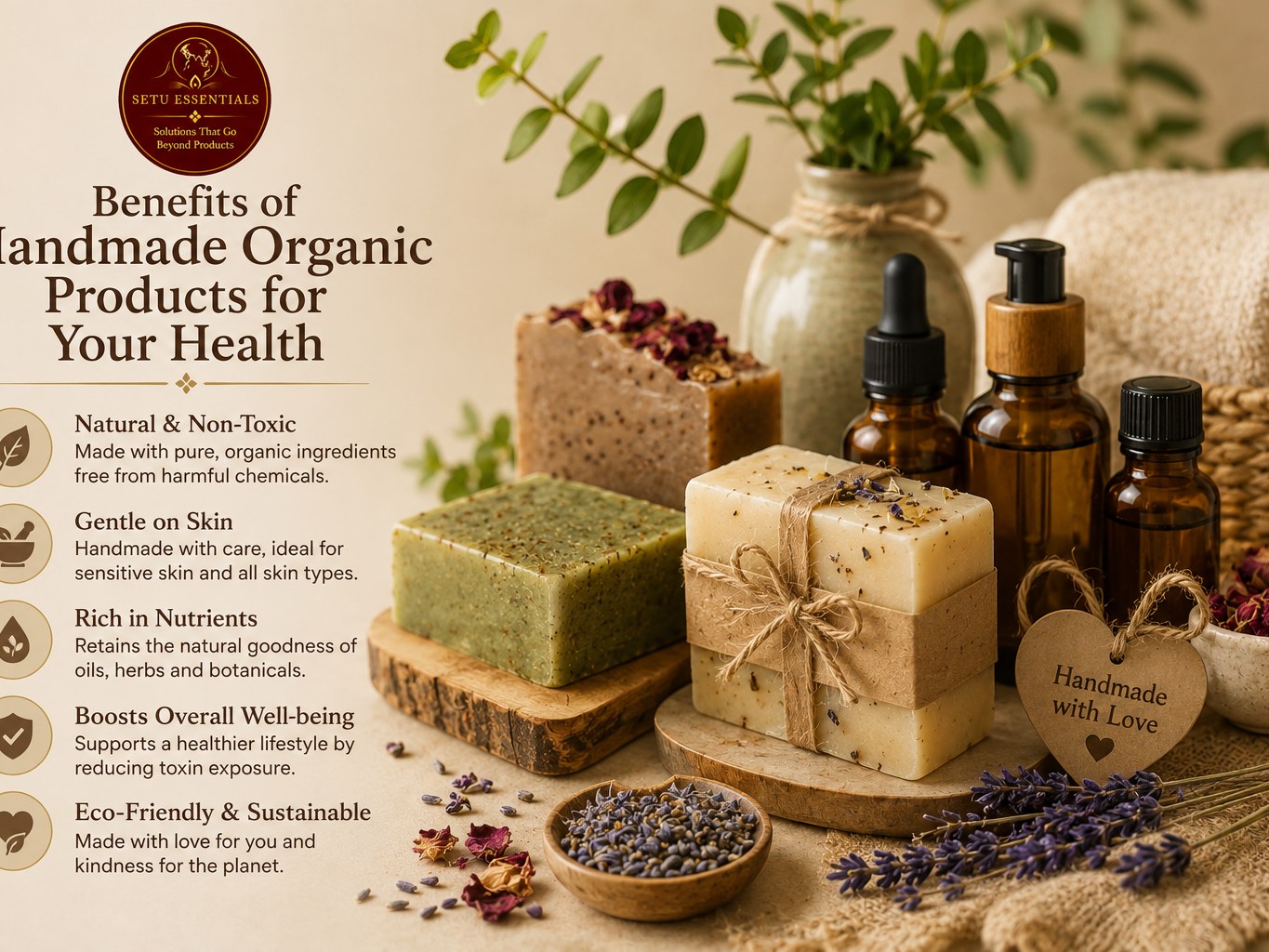
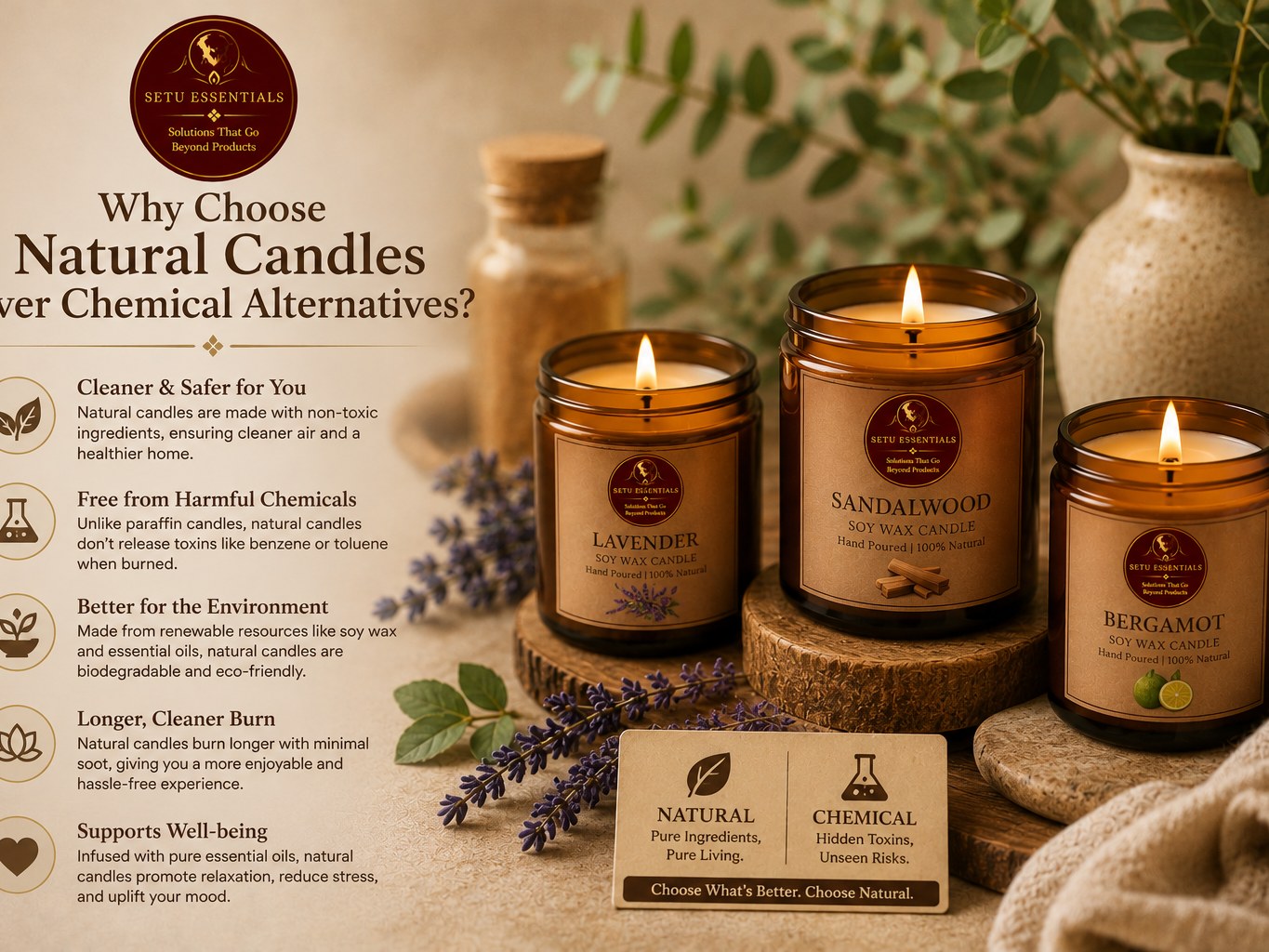
Premium shoppers in 2026 read candle labels the way they read food labels. Soy, beeswax, and coconut wax blends are steadily displacing paraffin at the quality end of the market, and industry analysts now describe the category's direction as premiumization-led — natural formulations and sourcing credibility winning over price competition.
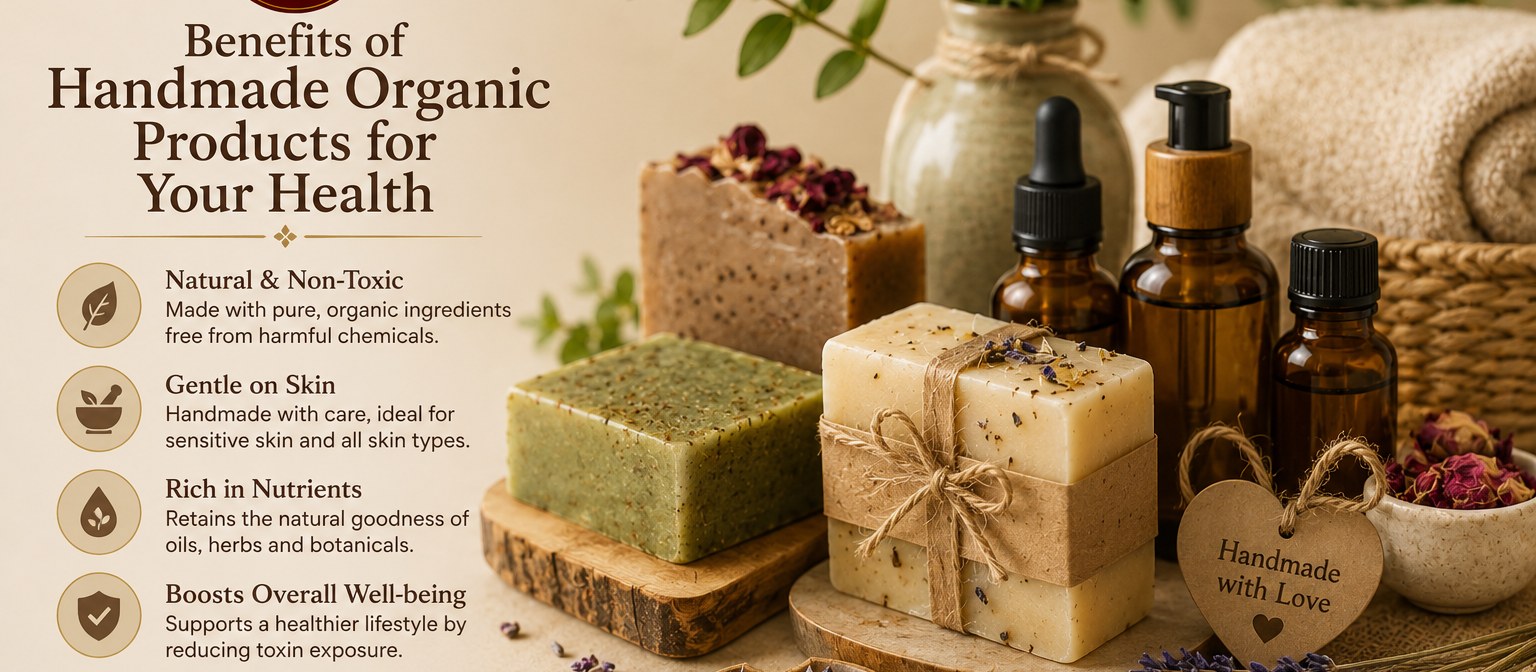
What to stock: Candles and incense that state their materials plainly on the label. If a product can honestly say "natural soy wax" or "hand-rolled with natural resins," it belongs at eye level. Anything that hides its ingredients is becoming harder to sell at a premium price point.
3. The sandalwood surge — and the return of incense
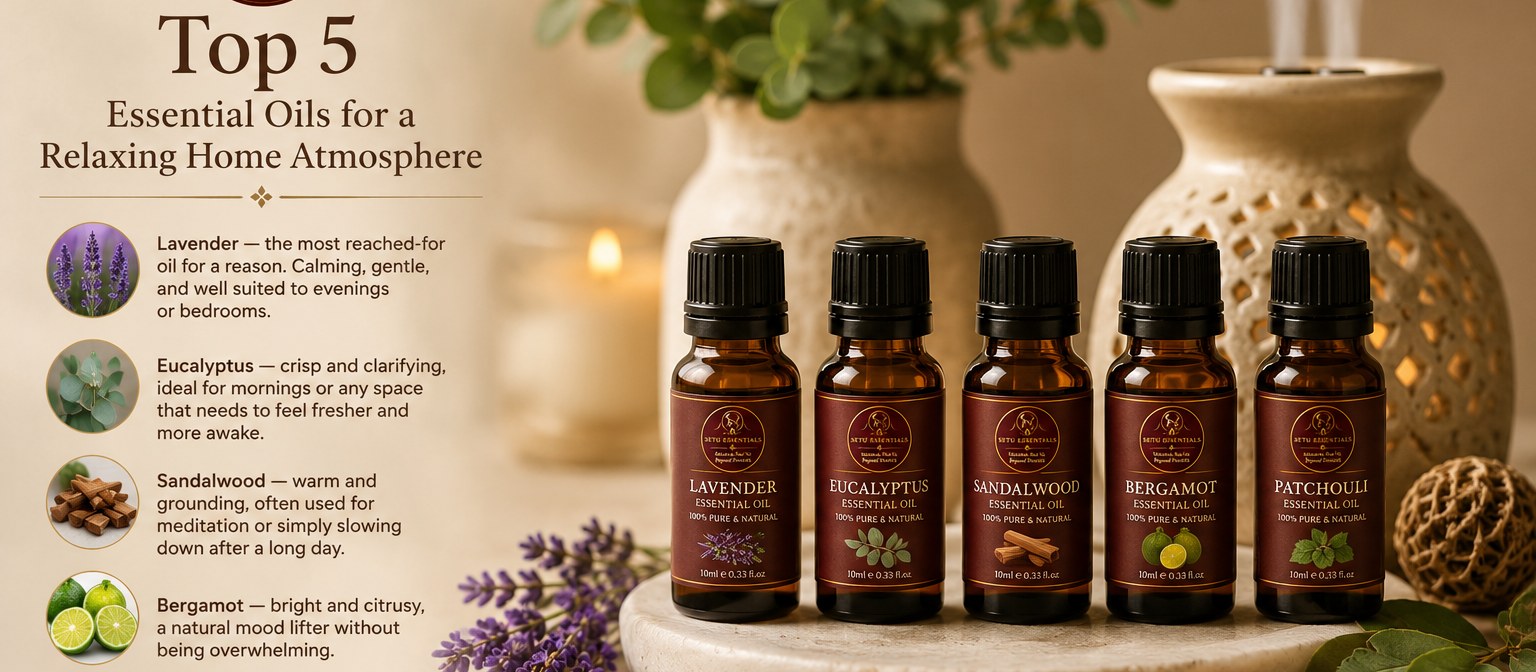
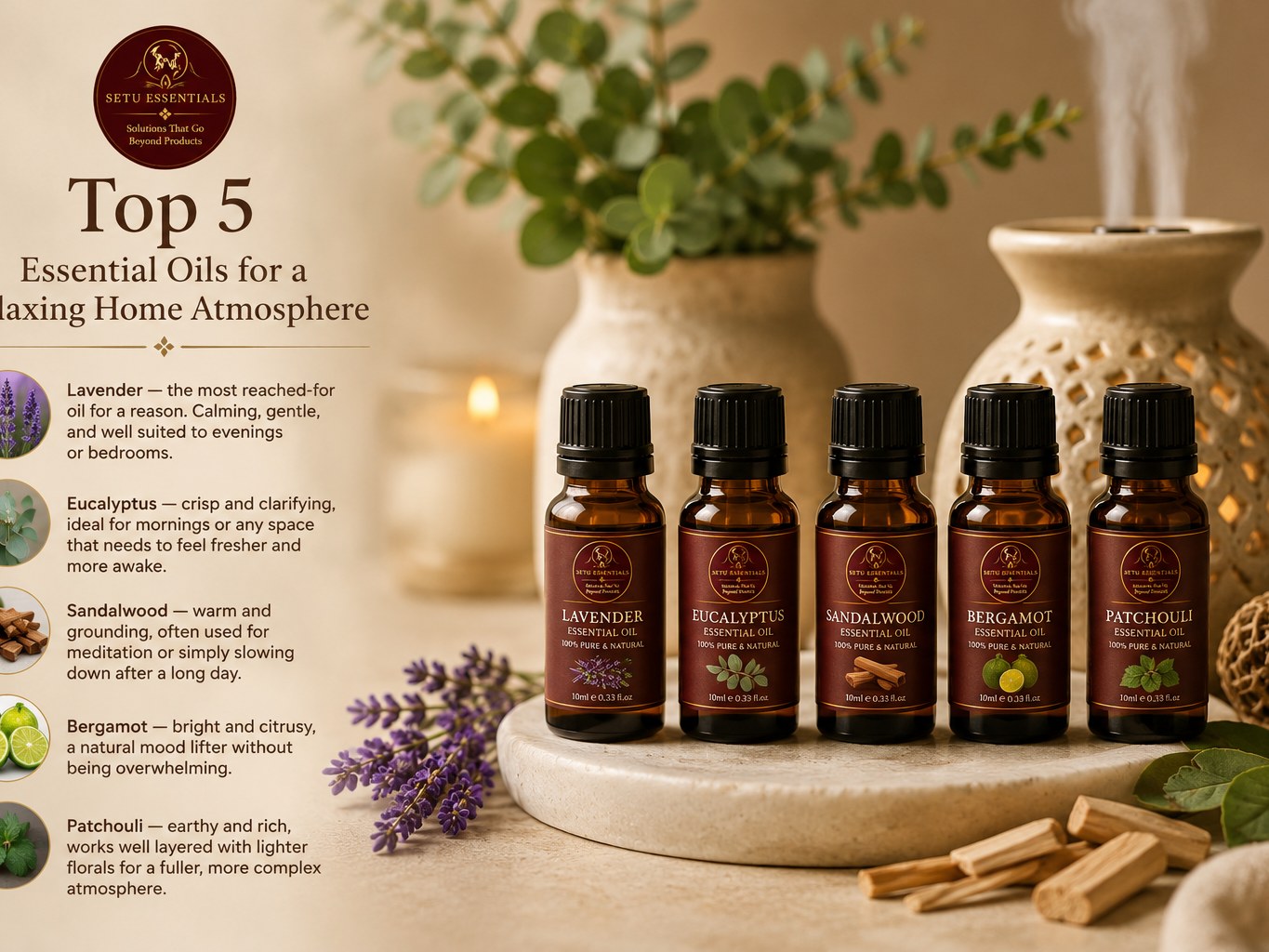
Every trend report this year points the same direction on scent: warm, grounding, woody profiles are dominating. Sandalwood is among the fastest-growing fragrance searches of 2026, alongside amber, cedar, and smoky resinous blends that feel meditative rather than perfumed.
Riding the same wave, incense has completed its journey from ritual staple to mainstream lifestyle product. Younger customers discovered it through meditation and mindfulness content, and it now sells as readily in a modern home décor store as in a traditional setting. For retailers, incense is a quietly excellent product line: low unit cost, lightweight, long shelf life, and strong repeat purchase once a customer finds their scent.
What to stock: Sandalwood in every format you carry — incense sticks, cones, essential oil, candles. Authentic Indian-made incense in particular carries the provenance that this trend is really about: these scent traditions are centuries old in India, and customers respond to the real thing over a synthetic interpretation.
4. Ritual bundles and giftable sets
Because customers are buying rituals rather than products, items that combine naturally into a ritual sell better together. An incense pack alone is a small purchase; an incense pack with a brass holder and a matching candle is a gift — and gifting is what carries this category through Diwali, Christmas, and the winter season that drives the majority of annual fragrance sales.
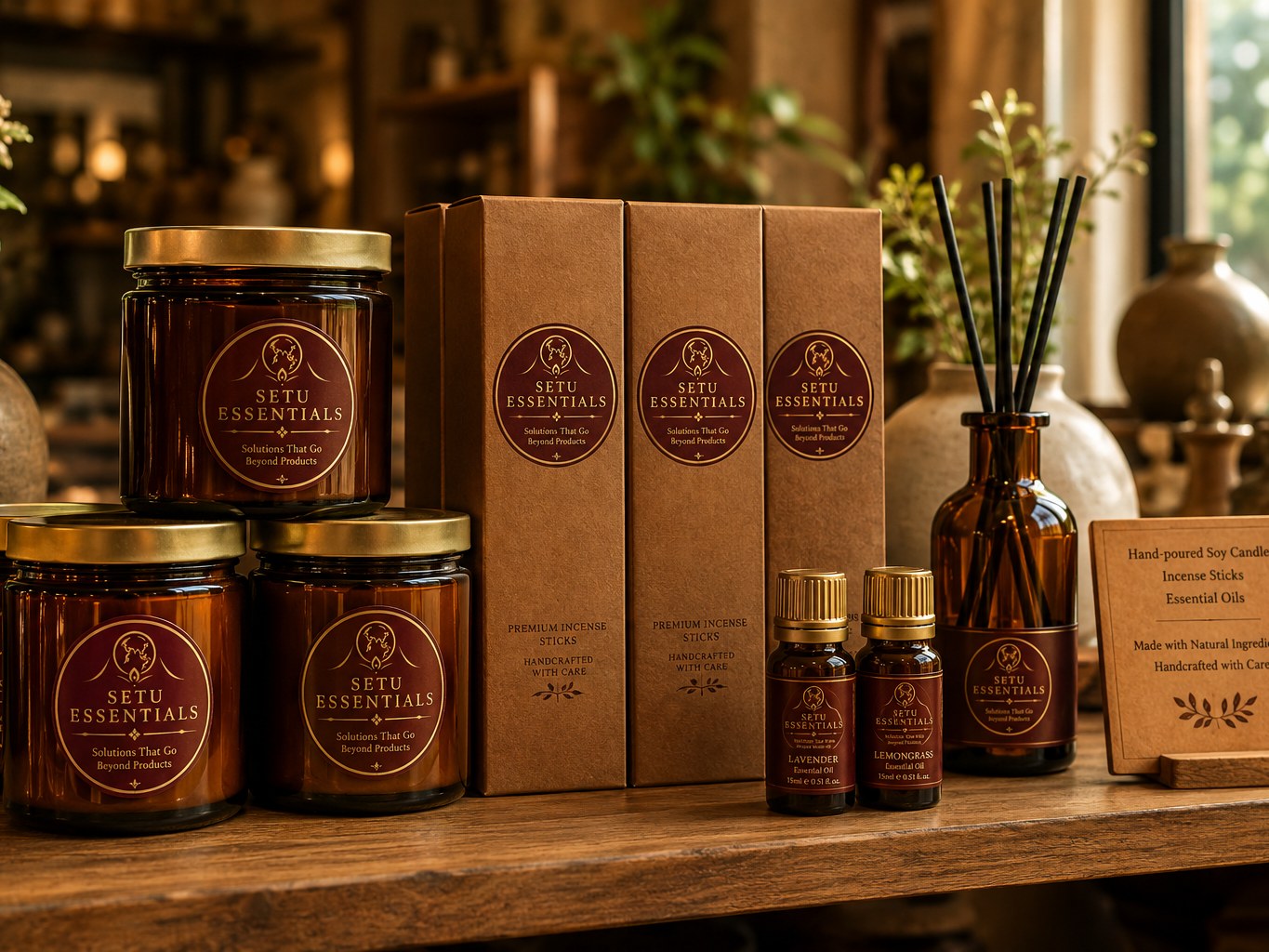
What to stock: Build small bundles at two or three price points — a starter ritual set, a premium gift set. If your supplier offers coordinated products (incense, holders, candles, oils from the same aesthetic family), bundling becomes trivially easy and lifts your average transaction value without any extra foot traffic.
5. Provenance is the new marketing: the story sells the shelf
The wellness shopper of 2026 wants to know where something came from — which region, which makers, which tradition. Products with a genuine sourcing story give you something to put on a shelf card, an Instagram post, and a conversation with a customer. Anonymous inventory gives you none of that.
What to stock: Lines from suppliers who can actually tell you their sourcing story — the artisans, the materials, the place. If a supplier can't tell you where their incense is rolled or their candles are poured, your customers will sense the gap too.
Putting it together for your store
The through-line of every 2026 trend is intentionality: natural materials, grounding scents, honest provenance, and products positioned as part of a daily ritual. Stores that reorganize even one shelf around these ideas — a mood-led fragrance display, a small ritual gift bundle, a shelf card telling a sourcing story — tend to see the category respond quickly.
And the timing matters: retailers who want their Diwali and holiday fragrance stock on shelves by October are placing wholesale orders in late summer. If you're planning your autumn buy now, you're right on schedule.
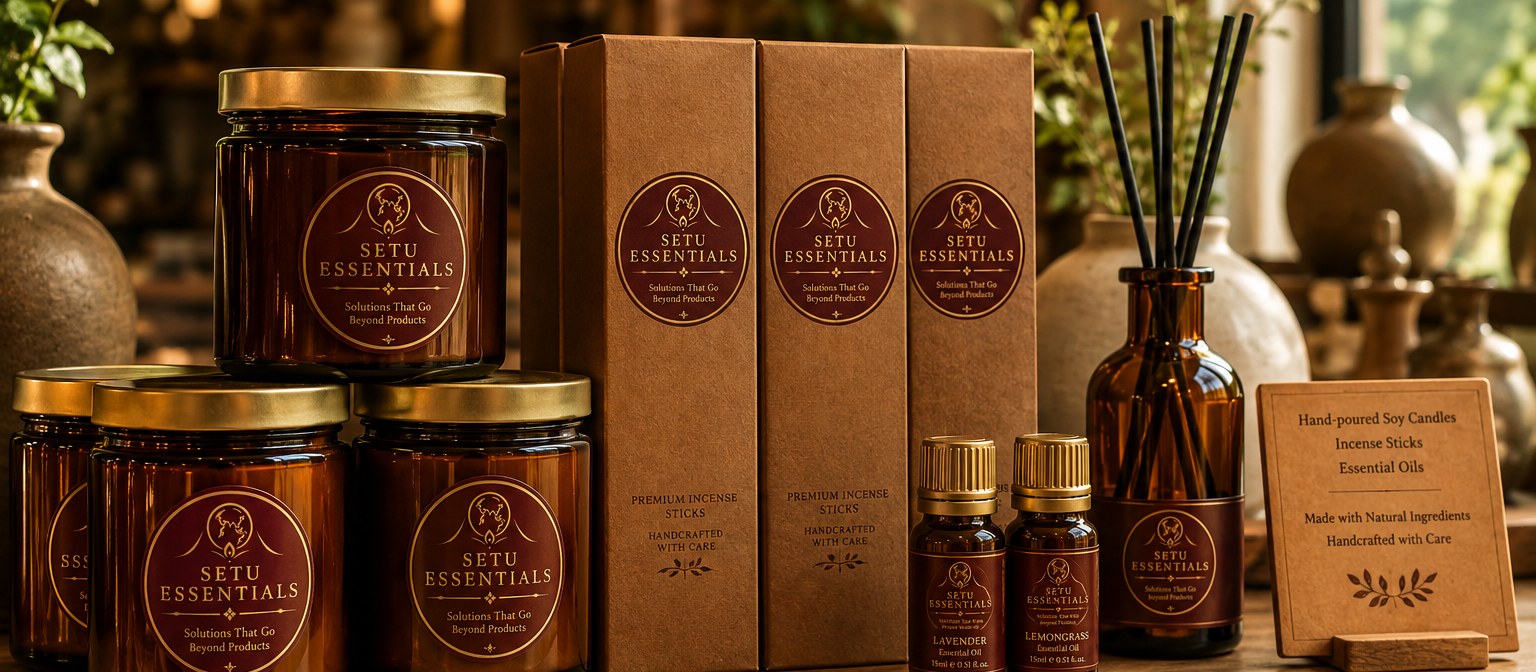
At Setu Essentials, this is the exact space we work in — naturally made candles, hand-rolled Indian incense, essential oils, and wellness goods sourced directly from artisans in India, with the provenance story included. If you're a retailer in Canada or beyond thinking about your 2026 wellness shelf, we'd love to talk.